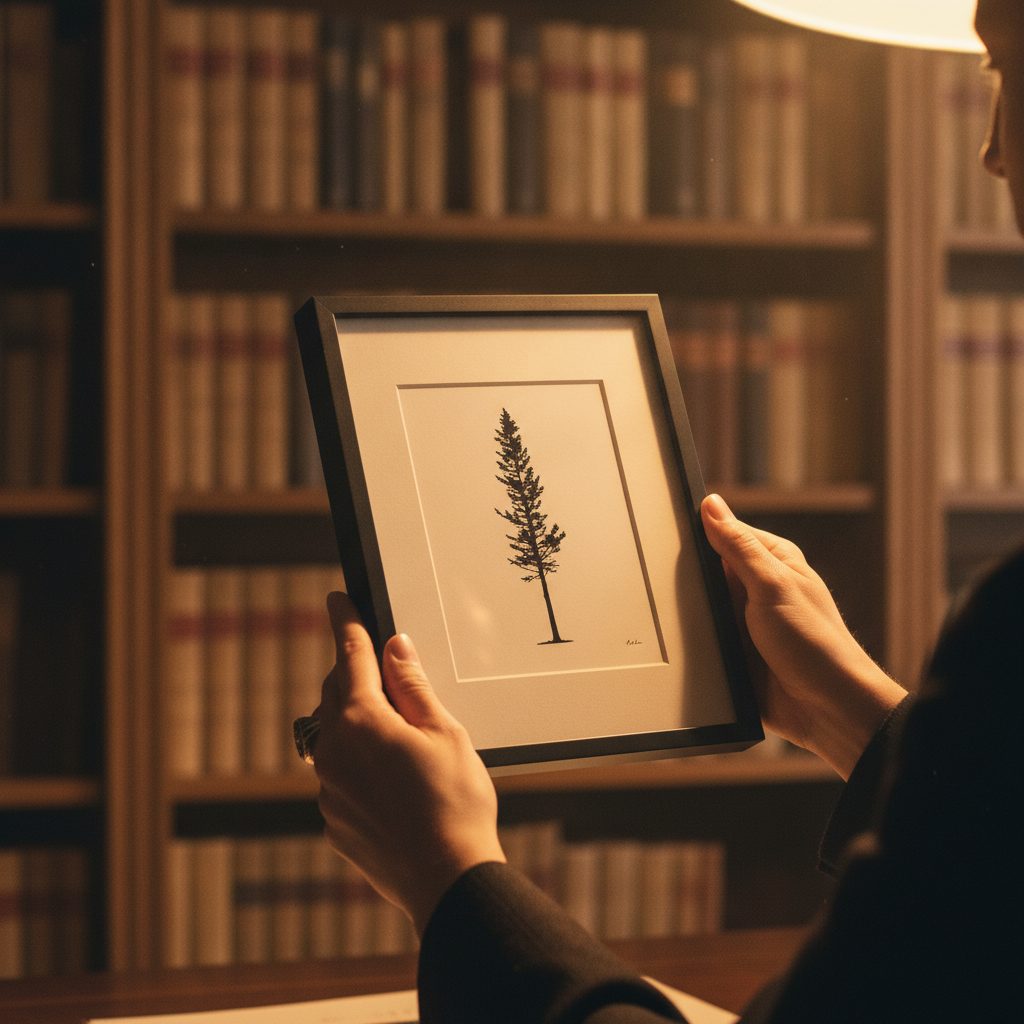
Reductive art — silhouettes, minimalism, single-shape prints — is one of the best places for a new collector to begin. The work is often affordable, it ages beautifully, and its restraint means it sits well in almost any room. But "simple to look at" is not the same as "simple to buy." Here is what to know before you spend anything.
Buy the eye, not the name
The first rule is the oldest one: buy what you'll still want to look at in ten years. Trends in the art market move fast and are impossible to time; a piece you genuinely love pays a dividend every single day it hangs on your wall, regardless of what it's "worth." Start by looking — a lot. Visit galleries, museum shops, degree shows and print fairs until your own taste sharpens. A collection with a point of view is more valuable, and more satisfying, than a scatter of trophies.
Understand what you're actually buying
Reductive art comes in a few very different forms, and the price gap between them is enormous:
- Unique originals — a one-off cut-paper silhouette, a painting, a drawing. There is exactly one. Priced accordingly.
- Limited-edition prints — screenprints, lithographs, etchings or giclées produced in a fixed run, each signed and numbered (e.g. 24/75). The lower the edition size, the scarcer — and usually the dearer — each impression.
- Open editions and posters — unlimited reproductions. Fine to enjoy, but treat them as décor, not investment; they carry little resale value.
None of these is "better." A great open-edition print you love beats a mediocre original you bought to flip. But you must know which one you're paying for.
Provenance is the difference between owning an artwork and owning a story you can prove.
Provenance and paperwork
Provenance is the documented history of a work — who made it, who has owned it, where it has been shown. For anything of value, insist on it. At minimum you want:
- A certificate of authenticity from the artist, estate or a recognised gallery.
- A clear invoice naming the work, medium, dimensions, year and (for prints) the edition number.
- For older or secondary-market pieces, a chain of ownership and any exhibition or literature references.
Good paperwork protects your money and makes the piece far easier to insure, lend or one day sell. No paperwork on an expensive "original" is a reason to walk away.
Condition, framing and light
Works on paper — where most silhouettes and prints live — are fragile in specific ways, and how you frame them decides how long they last:
- Acid-free everything. Cheap mounts and backing boards are acidic and will slowly brown and eat the paper. Ask for archival, acid-free mats and museum-grade backing.
- UV-protective glazing. Standard glass lets ultraviolet light fade pigments and yellow paper. UV-filtering glass or acrylic is worth the surcharge.
- Keep it out of direct sun. Even protected, no work on paper should hang in a shaft of afternoon sunlight. A shaded wall, stable temperature and moderate humidity will preserve it for generations.
For minimalist work especially, the frame is part of the piece. A wide, quiet mount and a simple frame give the shape the negative space it needs to breathe. Over-decorate the frame and you fight the very restraint you bought the work for.
Where to buy — in rising order of risk
- Museum print shops and artist studios — trustworthy, fairly priced, a great first purchase.
- Established galleries — they stand behind authenticity and can advise; build a relationship with one whose taste you trust.
- Reputable online platforms and print publishers — convenient; check return policies, edition details and that the seller is authorised.
- Auctions and secondary market — where bargains and mistakes both live. Read the condition report, factor in the buyer's premium, and never bid past your ceiling.
A sane budget
You do not need thousands to start. A signed, numbered limited-edition print by an emerging artist can cost less than a nice piece of furniture, and student and degree shows are full of original work at gentle prices — occasionally by artists whose names you'll be glad to have caught early. Set a figure you're comfortable losing entirely, treat any future gain as a bonus, and spend the rest of your energy on choosing well.
Collecting reductive art rewards exactly the qualities the art itself teaches: patience, restraint, and the confidence to want one right thing instead of many loud ones. Start with your eye, protect what you buy, keep the paperwork, and the collection will quietly become one of the most personal things you own.
One more thing worth knowing before you start: the market is about to get a lot cheaper at the bottom. See the great boomer art dump — nearly $1 trillion of inherited art arriving with almost no buyers waiting for it.